
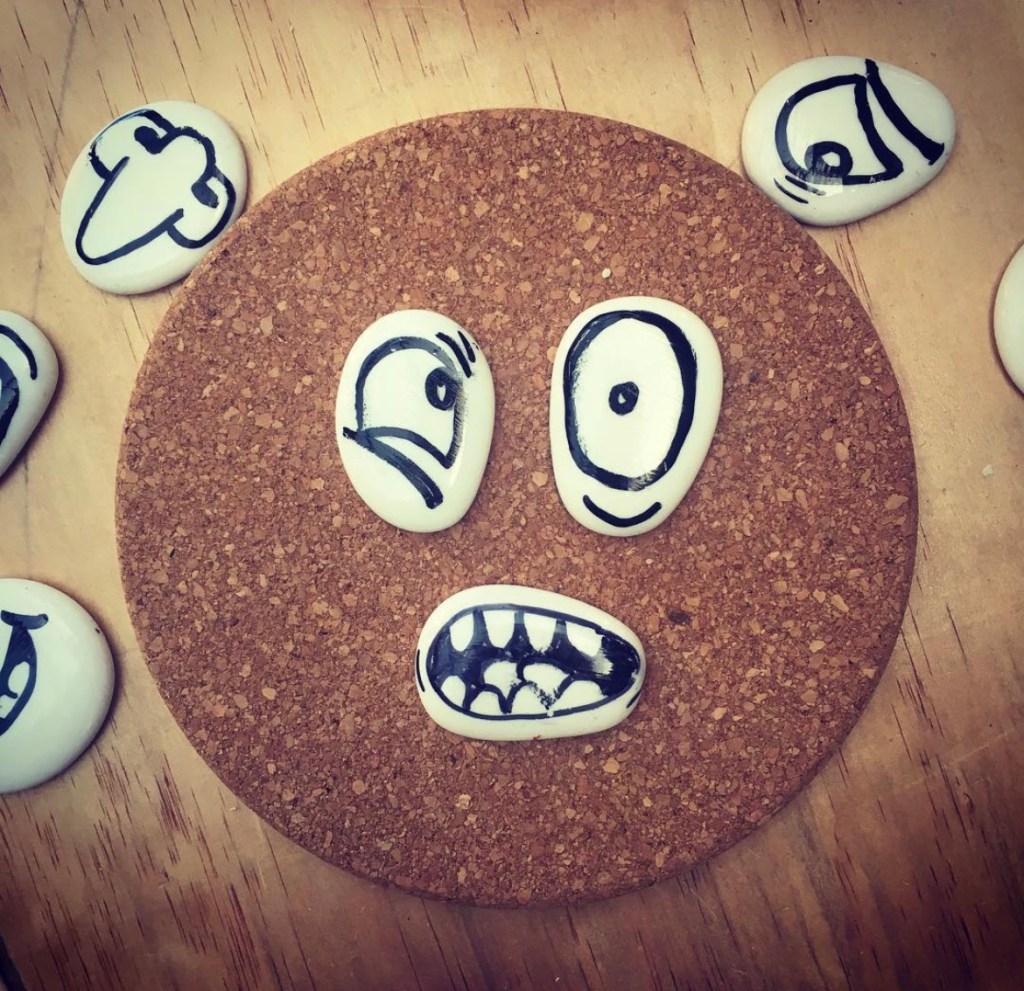
As teachers we may find ourselves wanting to stop the angry child because nothing good can come from it, right? It can be loud, disruptive, possibly inconvenient, and really doesn’t gel with the calm, Pinterest inspired classroom we’re trying to create here. Perhaps this need to stop anger is due to our own experiences with it? Why do we sometimes feel triggered by the ‘angry child’ and what does that tell us about ourselves? Big emotions from young children can make us feel frustrated, uncomfortable, worried, and maybe even a little annoyed at times. This doesn’t make us bad for feeling this way but it’s important to reflect on the why, as well as delving deeper into understanding emotional wellbeing in children, and learning strategies that can help everyone – teachers included! In this post I share my reflections in relation to anger in early childhood based upon my own experiences as an early childhood teacher.
UNDERSTANDING ANGER
The word anger can have negative connotations for many people, but let’s take a moment to think about the word itself and how we might define it in a way that allows us to look at it from a different angle. Being angry can help us to address a threat, protect someone we love or overcome the barriers we may face in life. Perhaps a little bit of anger might even drive us to achieve a goal or solve a problem. So why do we think of anger as a bad emotion and why does it make us feel uncomfortable? We usually link anger to aggression and violence, but feeling angry doesn’t necessarily mean we want to hurt someone or break something. Often our anger has more to do with how we feel about ourselves and the situation we’re in. I love the way Klara Mclaren speaks about how we shouldn’t label any emotion as being bad or good, and instead she highlights the importance of learning what our emotions can do for us. “When you understand that emotions bring you specific gifts and skills, you can change the ways you approach your emotions.” What if we turned anger into a superpower, rather than viewing it as the enemy? If we as teachers can change our mindset about what anger actually is, then maybe we can support children to successfully navigate their way through these big emotions.
BREAKING IT DOWN
I find Emotion Coaching to be a useful tool when considering how to best support children through big feelings and my approach is certainly inspired by this. Emotion Coaching was developed using psychologist John Gottman’s research on emotional intelligence, and uses a five step method that builds emotional intelligence and creates positive, long lasting effects for children.
Labelling the feeling – “I can see you’re angry…” It’s in this moment that we can help to give the feeling a name and make a connection with the child. This interaction let’s the child know that we’re here and we can help if they need it. Sometimes we may need to be silent and let the feeling play out. Using lots of words when a child is dysregulated doesn’t help anyone! We might also ask if they can explain how they’re feeling and if not, we can help to describe what we see: “It sounds like that made you feel really sad. I can see tears in your eyes and I heard you shouting. I would be really upset too if that happened to me.” With this response we are sharing other emotions that could be attached to anger and are helping to paint a picture for the child of what it can feel, look or sound like. We are also validating their feelings without judgement.
Problem solving – Can you tell me what’s happening?” When the moment feels right, asking this question might help us to figure out the problem or discover the underlying emotion that has led to an angry outburst. We shouldn’t always try to solve the problem for the child. e.g. George snatched a toy from Louis so we ask them to give it back. Problem solved, right!? Instead, (and if the opportunity allows us to), it’s an opportunity to work collaboratively with the child, and discuss possible solutions that might help. We might facilitate a conversation between two or more children, allowing them to voice their thoughts, concerns or ideas. We may need to mediate, rephrase responses and help others to see a different point of view. It’s also important at this stage of the discussion to make children aware that sometimes we can’t always solve the problem.
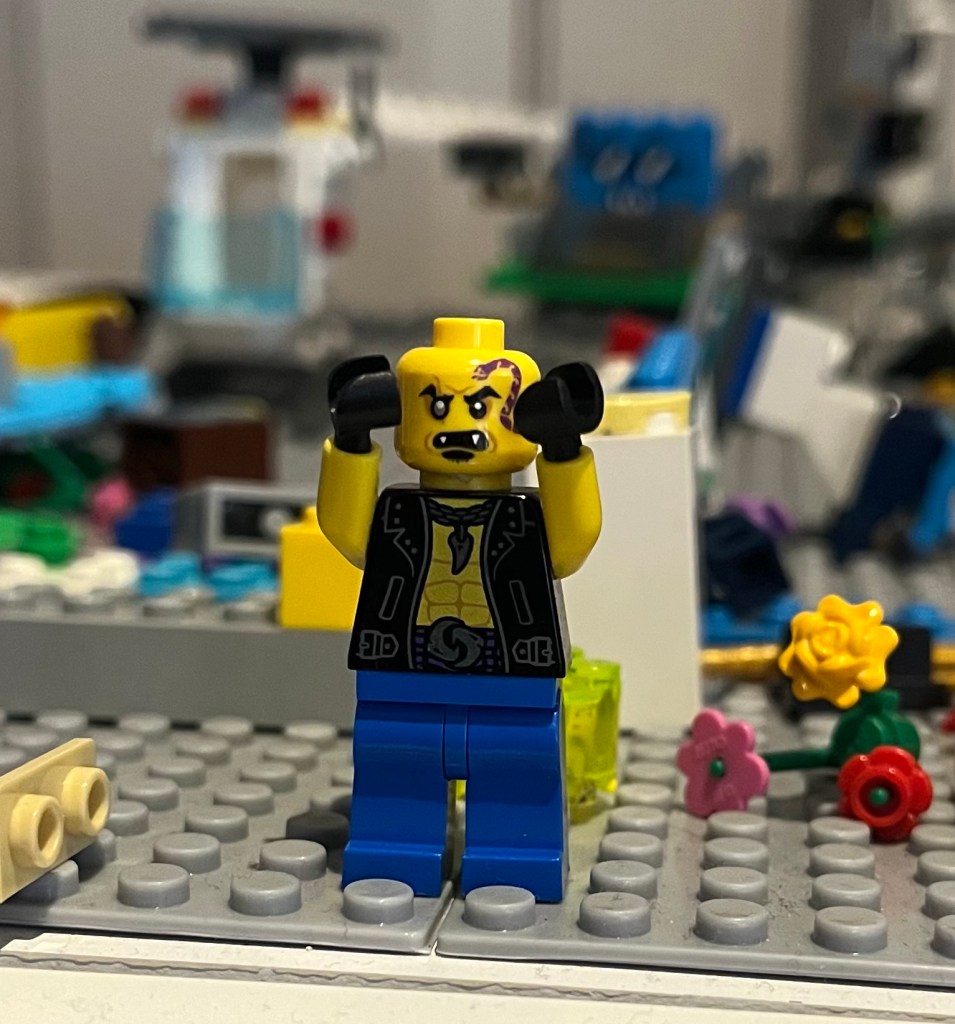
Responding to aggressive/Violent Responses – “Those are big feelings but they’re unsafe so I can’t let you do that.” At times I’ve had children respond with “I want to punch them!” or “I’m going to break it!” These moments can be tough! Sometimes there’s not much we can do other than, consider the risks and ensure everyone’s safety, but wherever possible, we may consider heavy work or include games/resources within the educational program that cater to their sensory needs, Examples might include pushing a heavy wheelbarrow, squeezing a foam ball or jumping on pillows. Helping children to channel their aggression into something else is also important …. “You should feel proud of how you handled that.” By acknowledging their response we step away from demonising anger, and focus on how we might can move through and past it in productive and positive ways. However, it’s important to remember that when anger gets to this point on a regular basis it may require further support from professionals to ensure the right methods and strategies are embedded.
Reflecting with children – “How can we try it differently next time?” or “What did we learn?” might be the sorts of questions we explore with some children when it feels appropriate, and the use of social stories and visual representations of emotions can work well to reinforce and revisit different situations at another time. Encouraging children to lead the discussion, create visuals, set boundaries and make safe choices let’s them know that we are a team, working together to create a safe space for everyone. When children feel secure in their environment and respected for who they are means they are more likely to share how they feel and reach out for help.
FINAL THOUGHTS…
For children who are not yet at this developmental stage of engaging in conversations about their feelings doesn’t mean we can’t start the conversation through simple forms of connection. It’s important we understand the importance of being with the child as a source of comfort, and find ways to acknowledge and label the feeling as often as we can.
Our emotions are such a powerful part of who we are and I’m eager to explore with children what they can do for us when channeled in positive and productive ways. I think anger is a misunderstood emotion for everyone and I’m curious to see how others might experience or respond to it within an early childhood setting. Do you think anger has the potential to be a superpower?
 The Humble Educator
Leave a comment