
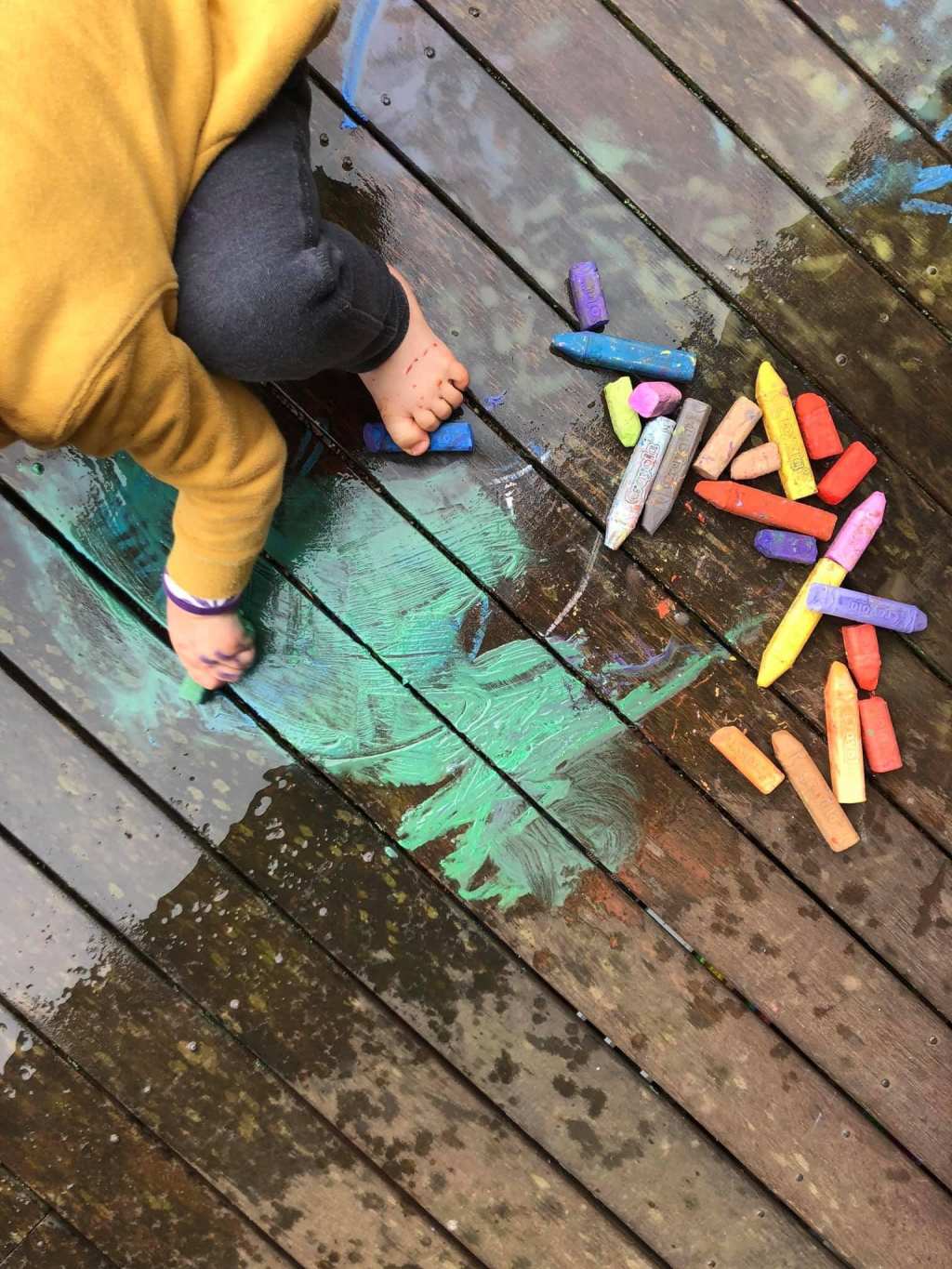
I’m always questioning how we collaborate with children in ways that respect and accurately reflect each child’s unique voice, sense of belonging and culture. I’m always striving to nurture and celebrate children in ways that truly represent who they are and what they want to know. I try to step away from leading questions that give the answer I’m hoping for, and try not to place doubt in a child’s mind by asking the question, “Are you sure you want to do it that way?” Instead, I listen.
I mean, really listen.
It can be hard to stop ourselves from interfering, or making suggestions so things work a little better or look aesthetically pleasing (well… from our perspective anyway!), but rather than over analysing if I’m using the right approach, I just ask myself – “Who is it for?” This question reminds me of who I need to be for the child so they can truly express themselves through their creative endeavours. We are here to support, guide, observe and listen. When we take a step back, I believe we actively support a child’s social and emotional wellbeing, helping them to feel confident when expressing their sense of self within different social and physical environments.
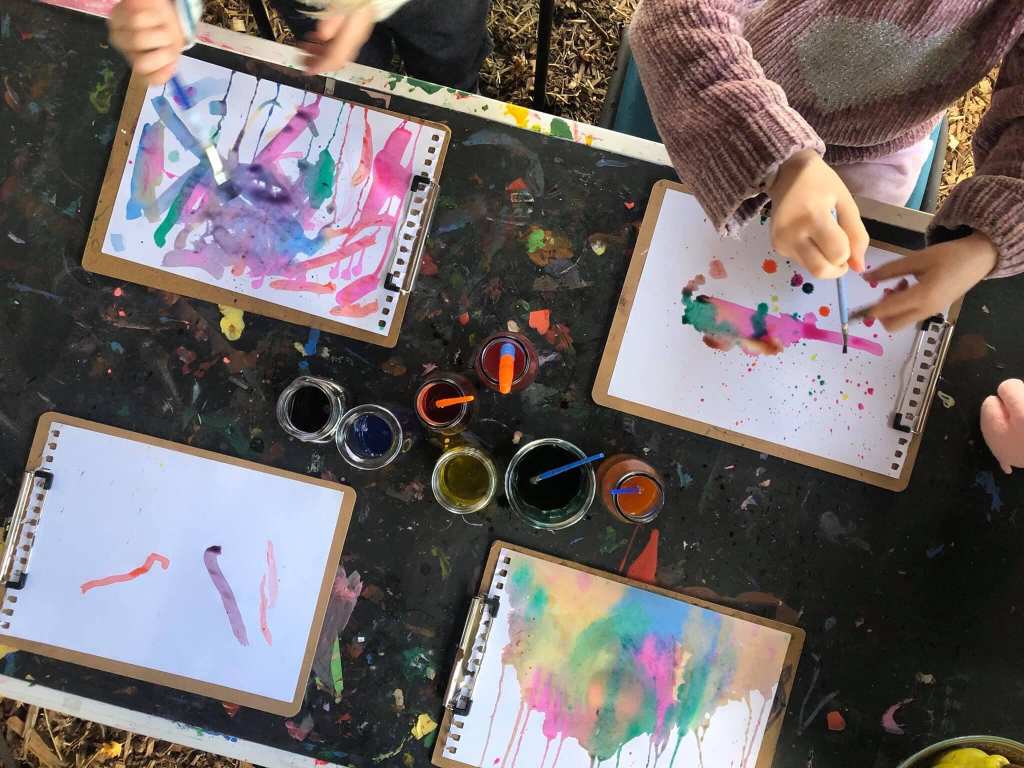
Collaboration isn’t asking children to ‘help’ with something in a group activity where they are merely listening to instructions, carrying out our plans, or being involved in something that really isn’t of interest to them. Collaboration works best when we use open ended questions to encourage critical thinking and reflective conversations, or we might add something to the learning environment that supports the interest or sparks more investigation. It’s important that we continue to sit back and let things unfold on their own. We need to feel okay with the fact that some ideas, (no matter how exciting they seem to us!) will fizzle into the background, never to be seen again! Don’t push an idea just because it looked really cute on Instagram or so you can feel better about it being ‘finished’. When we learn to take a step back, we encourage our children to be the decision makers and problem solvers.
We need to trust the process.
It’s okay if things are different to how we imagined. It’s okay if things get messy. It’s okay if mistakes are made because that’s part of how our children learn. It’s also okay if a child’s end product doesn’t look the way you had imagined…. and if they choose to cut it all up or cover it in black paint (how many times have have you seen this happen!?) then that’s okay too.
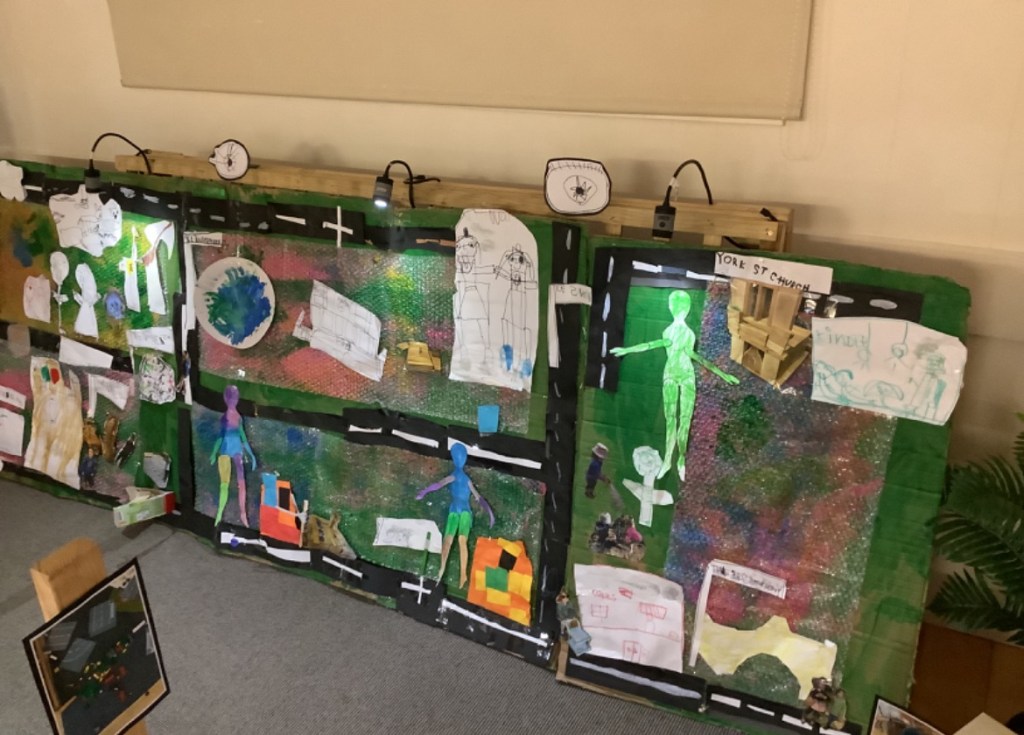
In previous years our kindergarten has held annual art shows and we have always made an effort to involve the children with every step of the process. They were invited to plan their own ideas and share their opinions as often as they wanted to. They engaged in conversations about the type of art they might make and what materials they needed. When something seemed difficult or near impossible we problem solved together, asked questions like, “What will you need to make this work?” and “What can I do to help you succeed?” The children planned their artwork through drawings and conversations, researched and drew inspiration from artists and their artworks. It has been challenging at times and there were moments where we wanted to take control (and sometimes we did!) but we always brought it back by asking the same question over and over again… “Who is it for?”
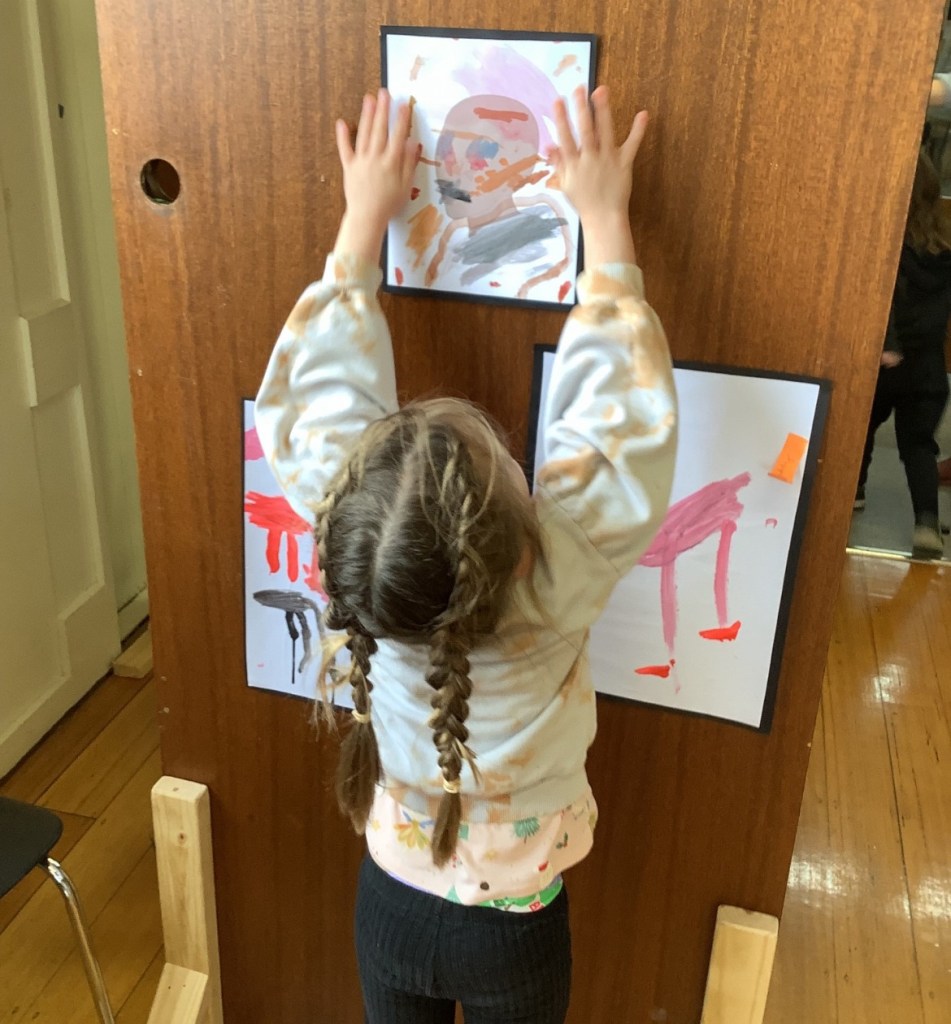
For the children who weren’t interested in any form of project using art and craft materials, we tapped into the things they were passionate about. Some children included transient art installations based upon their love of Lego or small world play resources. We captured photos of the structures built by children in the block corner, some took their own photos of what kindergarten means to the, and others participated in a prerecorded video sharing their knowledge of Auslan (which had been a focus throughout the year). Our art shows were never about every child creating the same piece of template artwork so we could tick their names off on a list. It wasn’t about making a child quickly paint a picture so we could stick it on the wall and breathe a sigh of relief, knowing that we didn’t have to explain its absence to a family member. Instead, families were able to celebrate their child’s unique artwork, and it told the story of who they were and of their personal kindergarten journey throughout the year. It told the story of belonging and identity.
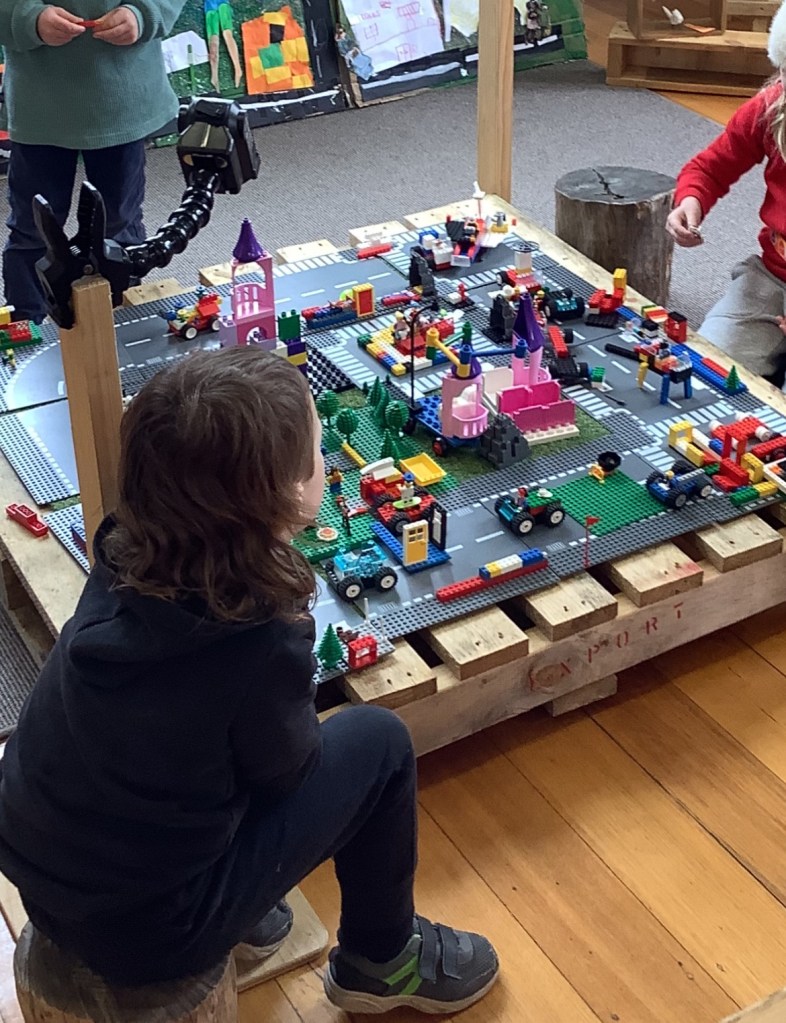
Our art shows are only one example of how we liked to collaborate with children, but they felt like a turning point for me in learning what true collaborative practices with children can look and feel like. Letting our children lead the way and giving them the freedom to explore independently is a very powerful and rewarding experience within a community of young learners. It strengthens the relationships we have with children and should always be at the heart of our approach.
So if ever in doubt about how you collaborate with children, just ask yourself, “…but who is it for?”
 The Humble Educator
Leave a comment