

The word ‘slow pedagogy’ entered my vocabulary last year when I worked as a kindergarten teacher in a service that placed immense value on child centred and inquiry based learning. I was surrounded by people who understood the true meaning of a connection based curriculum and was supported in my choices as I embraced an unhurried approach to teaching and learning. These values and approaches to education and care meant that when the idea of ‘slow pedagogy’ reached my inbox in the form of a YouTube video I realised that I was already tapping into what slow pedagogy means within an early childhood setting. But like anything, there is always room to grow and learn more so I’m eager to embrace and explore what slow pedagogy is and what it truly means to ‘be with’ the children we educate and care for.
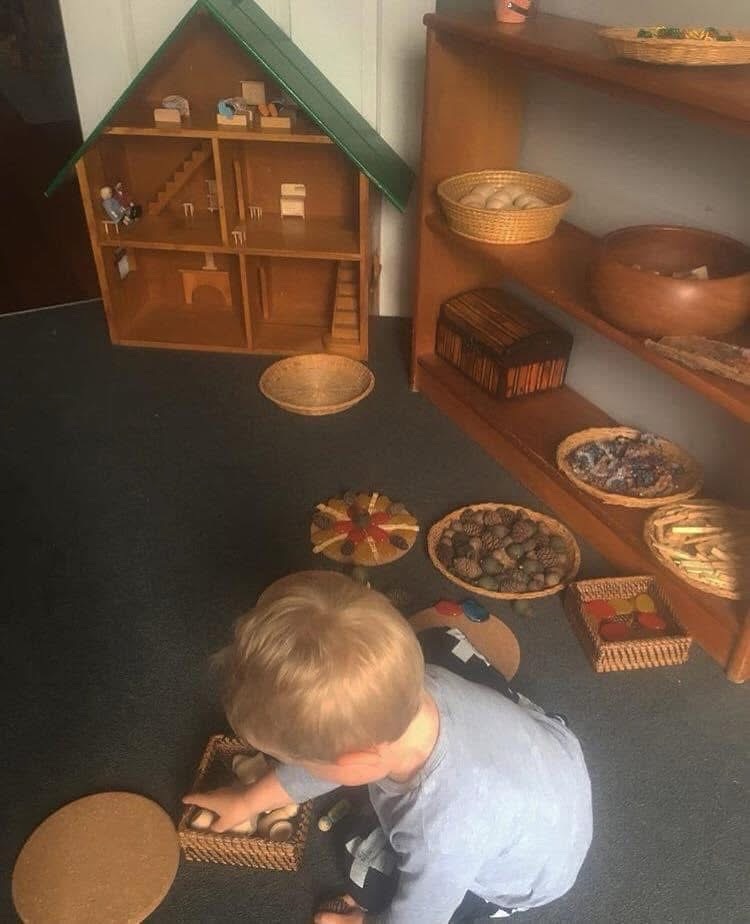
Finding the balance…
So what does it mean to be slow in a fast paced world with endless ‘to do’ lists? How can we be slow when so much is expected of us? How will we get things done if we’re slowing everything down? These questions are valid ones and sometimes the idea of an unhurried day can seem challenging and create panic for some because we are so used to moving quickly from one thing to the next. As someone who likes to keep things organised and has difficulty relaxing until I’ve completed all of the things, it was challenging to unlearn some of those expectations I had placed upon myself. It also required teaching and supporting a strong team of educators who understood the balance between what needs to be done and when, as well as what can wait. Finding the balance can be difficult and there are endless barriers and unexpected moments that make it hard, but the importance of reflecting on these and addressing them allows us to put strategies in place so we can indeed create meaningful moments throughout the day. Slow pedagogy aims to offer a gentle, intentional, child-centered approach that prioritises deep learning, curiosity, and emotional well-being and encourages children to explore the world at their own pace, fostering creativity, problem-solving, independence and resilience.
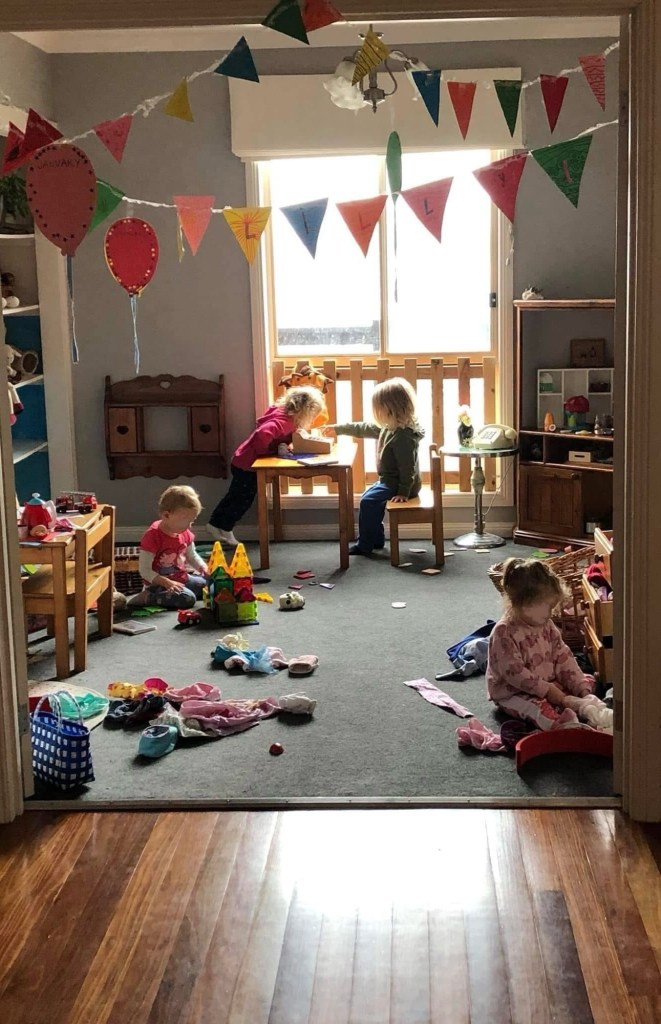
Routines vs Rituals…
Implementing slow pedagogy means we can explore ways to reduce rigid schedules, allow for flexible routines, and embrace unhurried moments when we transition children from one thing to the next. Focusing on mealtimes for instance, which can often feel stressful when we view it as the ‘something to get through’ before moving on to the next thing, is a routine in our day where we can shift gears and turn a mundane routine into a meaningful ritual. When we slow things down, involve children in the process, engage them in conversations, and provide a calm and inviting environment is when we begin to see the stress and disappear. Will there be spills? Yes. Will there be broken crockery? Yes. Will things take longer? Yes. But by using these inevitable mishaps as intentional teaching moments turns every moment into an experience where the children are learning important life skills and have opportunities to build strong connections with us, and it’s in these moments when you know you’re onto something pretty special.
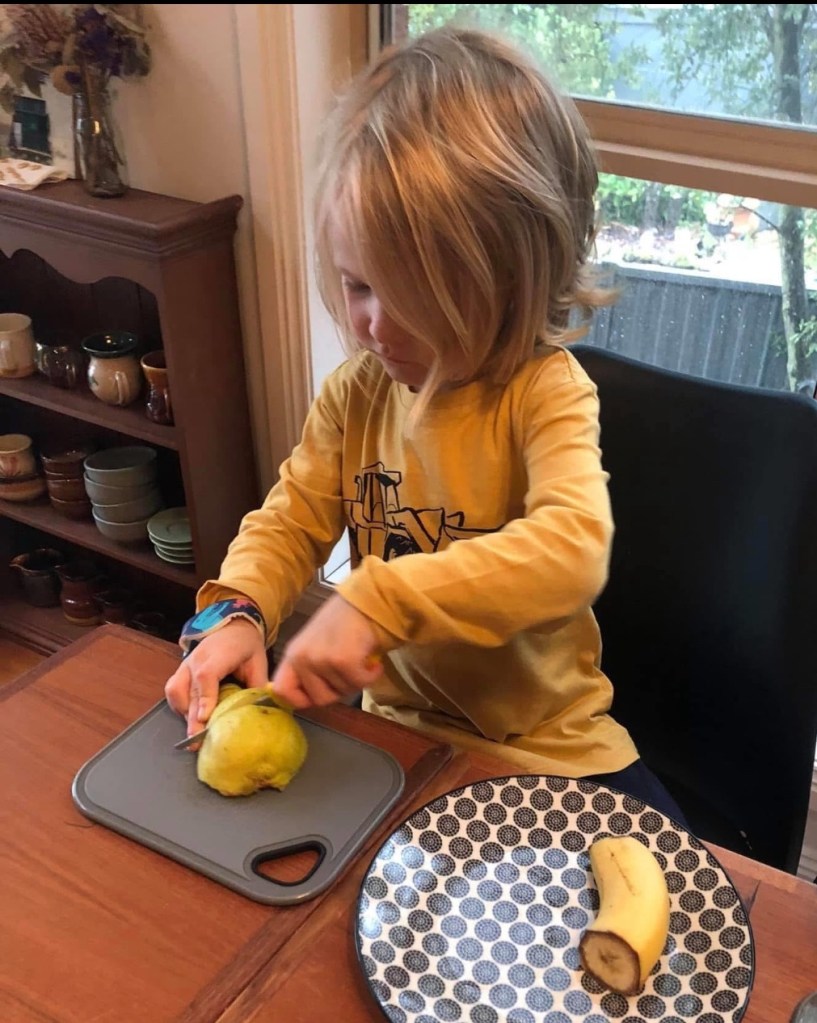
Meaningful connections….
One of the key benefits of slow pedagogy is its focus on relationships. Meaningful interactions between children and caregivers are central to learning, so when we take the time to listen, observe, and engage in dialogue, we build trust and create an environment where children feel safe to express themselves, ask questions, and experiment. When we slow down we begin to recognise that children learn best through unhurried exploration and repetition. We begin to observe how children absorb information and concepts and how this builds confidence in their own understandings and abilities. Developing these strong connections with children opens the door for authentic conversations where open ended questioning, active listening and tuning in to children cues and actions are so important. We learn more by remaining silent and waiting to be invited in. When children give us the green light to be a part of their world is when we begin to build a trusting, enjoyable and caring learning relationship with children. By slowing down and truly listening, we give children the gift of deep, authentic learning that will continue to benefit them long after we have shared in the joy of teaching them
In a world that often pushes children to grow up too quickly, slow pedagogy reminds us that early childhood should be a time of long stretches of uninterrupted play and meaningful connections. What unfolds is often unexpected and might even feel a little challenging to us adults but that’s all part of the fun!
 The Humble Educator
Leave a comment