
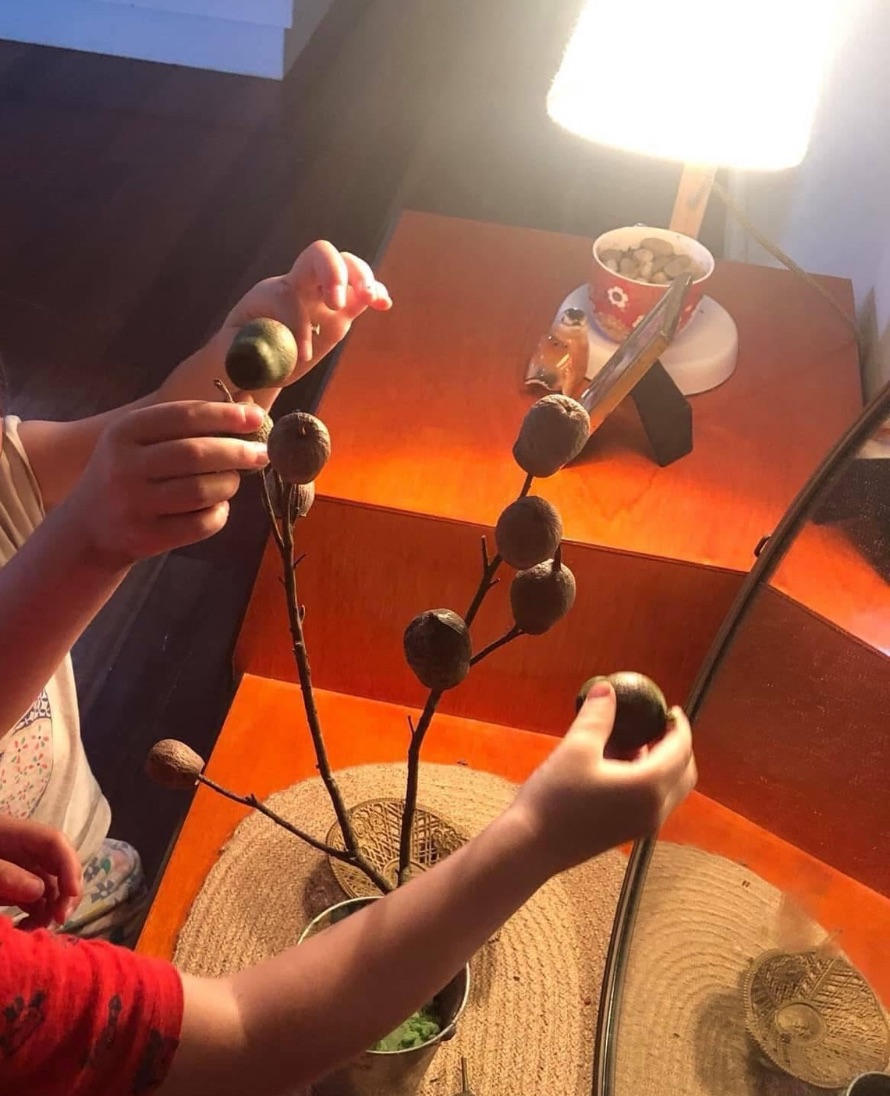
Slow pedagogy encourages us to deepen our relationships with children and focus on ‘being with’ children. It requires us to be fully present, engaged, responsive and in the moment. Children thrive not just through structured learning but through meaningful interactions, unhurried conversations, and shared experiences.
Being with’ children means:
Listening deeply – not just hearing words but understanding emotions, thoughts, and unspoken needs.
Observing with curiosity – not rushing to correct or instruct but appreciating how children make sense of the world.
Embracing slowness – allowing time for children to explore, play, and wonder without imposing rigid timelines.
Responding authentically – acknowledging their feelings, engaging in real dialogue, and valuing their perspectives.
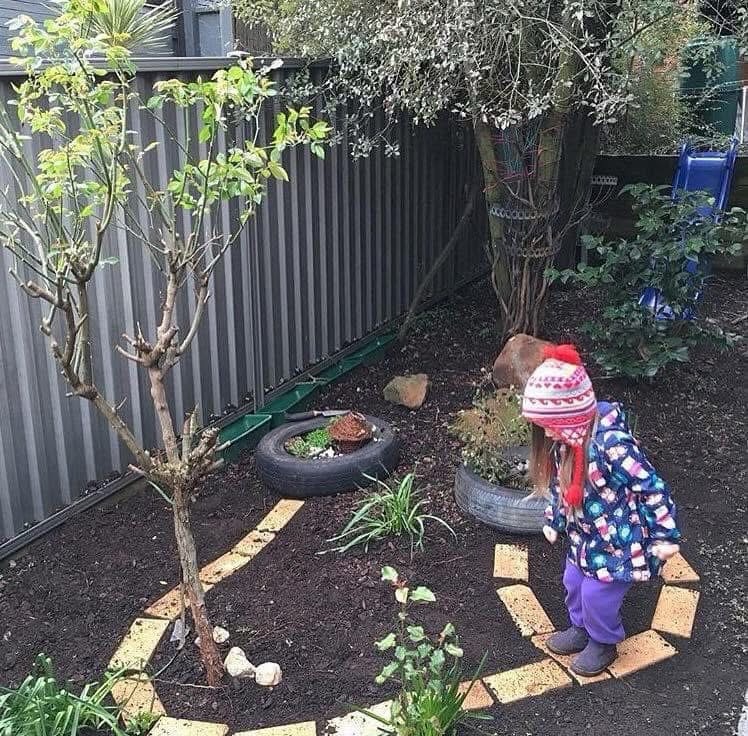
Slow pedagogy sees time as a space for connection. A child exploring a puddle for ten minutes isn’t ‘wasting time’, they are developing an understanding of physics, sensory experiences, and a curiosity about nature. A conversation about a favourite book that meanders off into personal storytelling isn’t ‘off task’ – it’s an opportunity to encourage imagination and support language skills. By being fully present with children, we create moments where learning unfolds naturally. Instead of rushing to the next activity, we honour the child’s pace, recognising that real growth happens in these small, seemingly ordinary interactions. Practicing slow pedagogy requires a shift in mindset. It’s about valuing relationships over results and presence over productivity.
Some ways to cultivate this approach include:
– Creating unstructured time for play, conversation, and exploration.
– Minimising distractions and focusing on face-to-face interactions.
– Reframing success to prioritise emotional well-being, creativity, and curiosity.
– Modeling presence by showing children that their thoughts and experiences matter.
By embracing the art of ‘being with,’ we nurture not only the minds of children but their hearts… and in doing so, we create spaces where learning is not just an activity, but a way of being.
 The Humble Educator
Leave a comment