
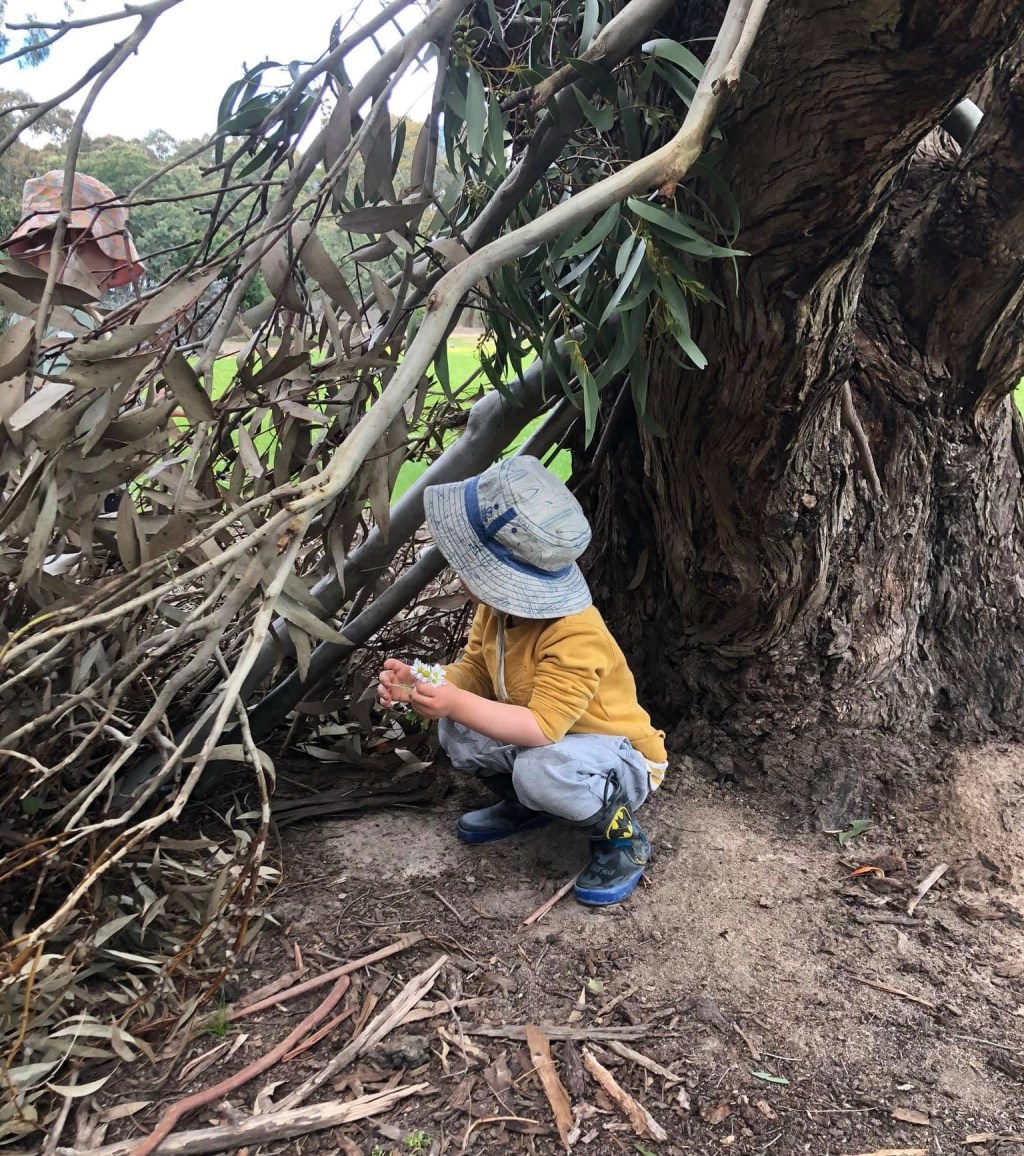
I first came across the idea of hygge when I began my studies in early childhood education, working as a family day care educator. Hygge, (pronounced “hoogah”) is a Danish concept, which is less about a particular aesthetic and more about cultivating a feeling – one of warmth, safety, simplicity, and togetherness. In those early days, I was deeply drawn to the idea of creating a home away from home for the children in my care. It was here that I began to explore what it meant to create nurturing spaces that invite comfort and connection, and not just for the children, but for the families (and me!) too.
In an early childhood setting, hygge can be felt in the gentle rhythm of the day, through the soft glow of natural light, and the thoughtful inclusion of textures and objects that reflect the home and heart. It’s found in the quiet daily rituals of shared meals, familiar songs, and the kind of presence that allows educators to be truly with children. More than anything, for me, it translates into a sense of belonging and emotional safety.

In those early years of teaching, my commitment to outdoor learning became the foundation for shaping our days in nature. It offered a way to honour and embed Aboriginal and Torres Strait Islander perspectives, while inviting children to build deep, respectful connections with the land around them. As my teaching journey has unfolded, I’ve found myself returning again and again to this idea… this ‘feeling’ that hygge represents, and wondering how it might live and breathe within outdoor programs like bush kinder. I’m eager to create outdoor programs that are not only shaped by curriculum, but by culture, community, and place.
Guided by Bronfenbrenner’s Ecological Systems Theory, I want to nurture experiences that echo the beliefs of the children, are held by the voices of their families, and are shaped by the landscapes we explore. With experiences that grow and shift with the rhythm of the seasons and the ever-changing needs and interests of the children which are held together by the quiet comfort found in connection, slowness, and presence…. and at its heart is the child discovering a sense of self and a sense of belonging within their environment.
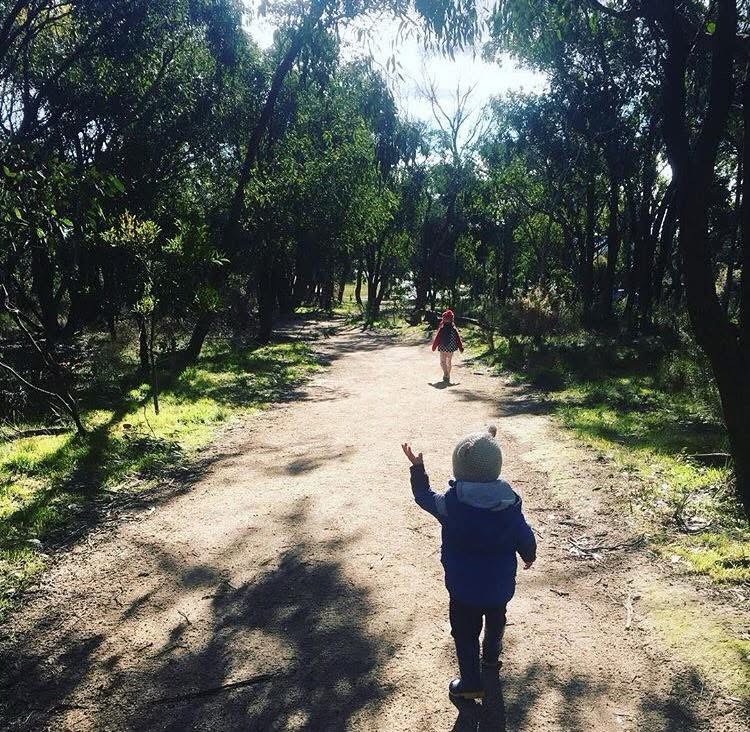
So, what might hygge look (and feel) like in an outdoor program?
It doesn’t live in soft furnishings or warm lights alone. It lives in the quiet moments shared around the fire pit, wrapped in blankets, as stories unfold as laughter is carried on the wind. It’s found in small hands cupping mugs of warm herbal tea, with the hush that falls as gum leaves rustle overhead. It’s in the way children and educators slow down together to notice a feather hidden amongst the dried leaves or how the sunlight flickers through the trees. Hygge in the bush is not about creating perfection, it’s about creating an atmosphere where children feel safe, seen, unhurried, and deeply connected to the land, to each other, and to themselves. To plan for these moments, we must prepare with intention – packing blankets, warm drinks, storybooks, and open-ended tools that encourage children to notice and explore. We must also prepare for the unexpected and acknowledge the intention of the child as we explore together. We must think about rhythms as much as activities, and leave space for stillness and conversation. We don’t just ask children what we did but how they felt in the moment, as well as reflecting on our own practices to improve and inform future adventures.
Embracing hygge in an outdoor program is about the way we show up, the way we hold space for wonder and the way we honour the child’s right to feel at home – even under open skies.
 The Humble Educator
Leave a comment