
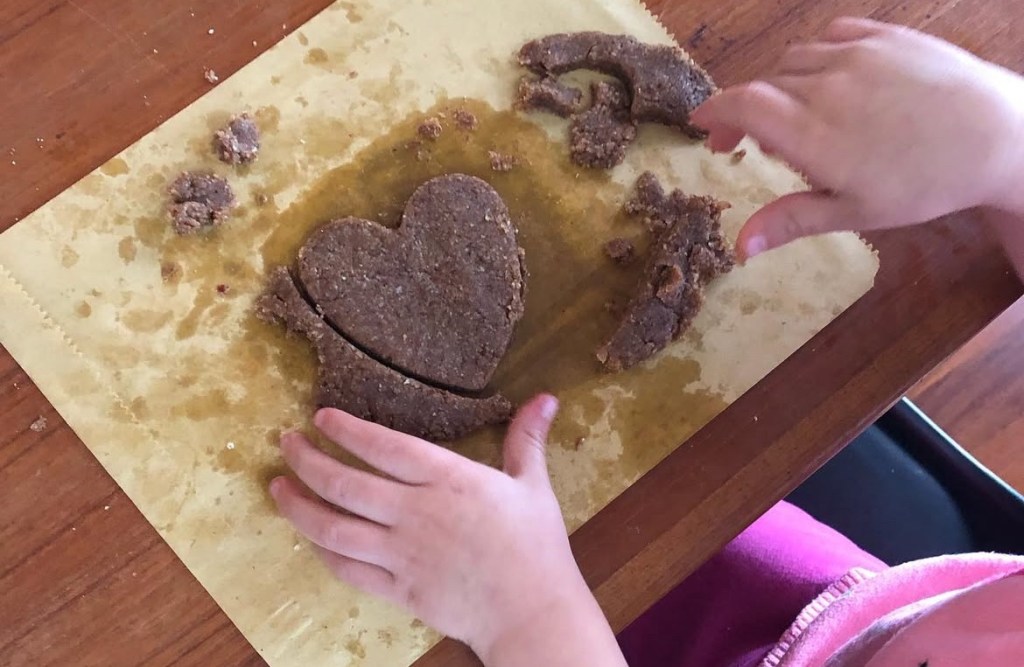
When a pedagogy of care and emotional wellbeing is woven throughout our programs and practices, learning flourishes, but what if our environments could do more than that? What if they could be curated in a way that supports children to feel a strong sense of safety and belonging… What if it felt just like a warm hug? Hygge-inspired environments can feel and look like cosy nooks, wrapped in warm blankets and surrounded by the soft glow from salt lamps and twinkling fairy lights, but this isn’t the only thing we should rely on to create a sense of safety. We also need to build an atmosphere of togetherness… but how do we do that?

Shared Rituals and Routines… Morning circles, a song before a meal and storytelling help to build community and a sense of belonging. Inviting children to help set the table for meals and pack up at the end of the day may seem like small acts of contribution but they help to create a feeling of being “in it together.”
Mealtimes as Community… Eating together at shared tables encourages conversation and care for one another. When we help to set the pace and turn mealtimes into a ritual rather than a routine we create a space where children are given time to enjoy food, share stories and feel connected.
Attunement and Presence… When we model togetherness by being calm, attentive, and present with children we are communicating that “We are here together, and you matter.” We can do this by sitting on the floor with children, joining their play when invited, and listening deeply to what they have to say.
Storytelling and Shared Imagination… By reading books together in small groups or by inviting them to co-create stories, songs and games, encourages shared narratives which help to build a sense of community.
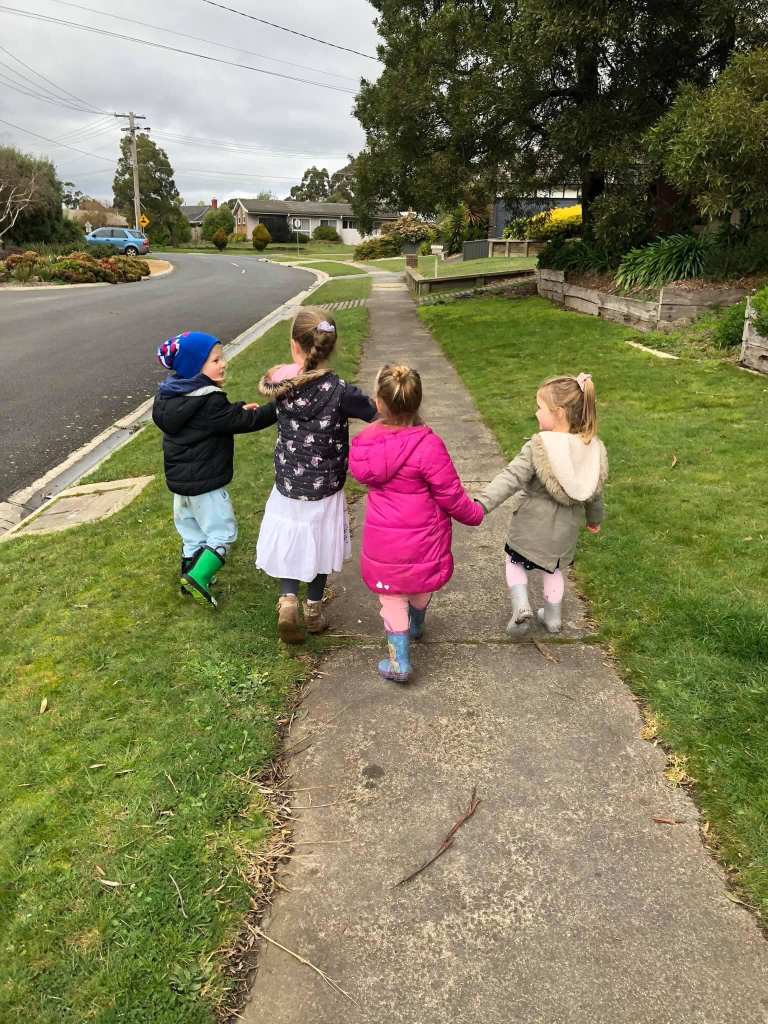
Hygge in the Outdoors… Togetherness doesn’t have to be quiet and limited to our cosy indoor nooks. Running, laughing, and squealing in nature can feel just as connective as snuggling with a book indoors. Outdoor group play and connecting with nature nurtures that feeling of togetherness and communal joy.
Respect and Voice… By involving children in decisions about their environment, routines, and experiences helps them to see that their ideas are valued, respected and included. By giving them a voice we help them to feel woven into the rich tapestry that is their community.
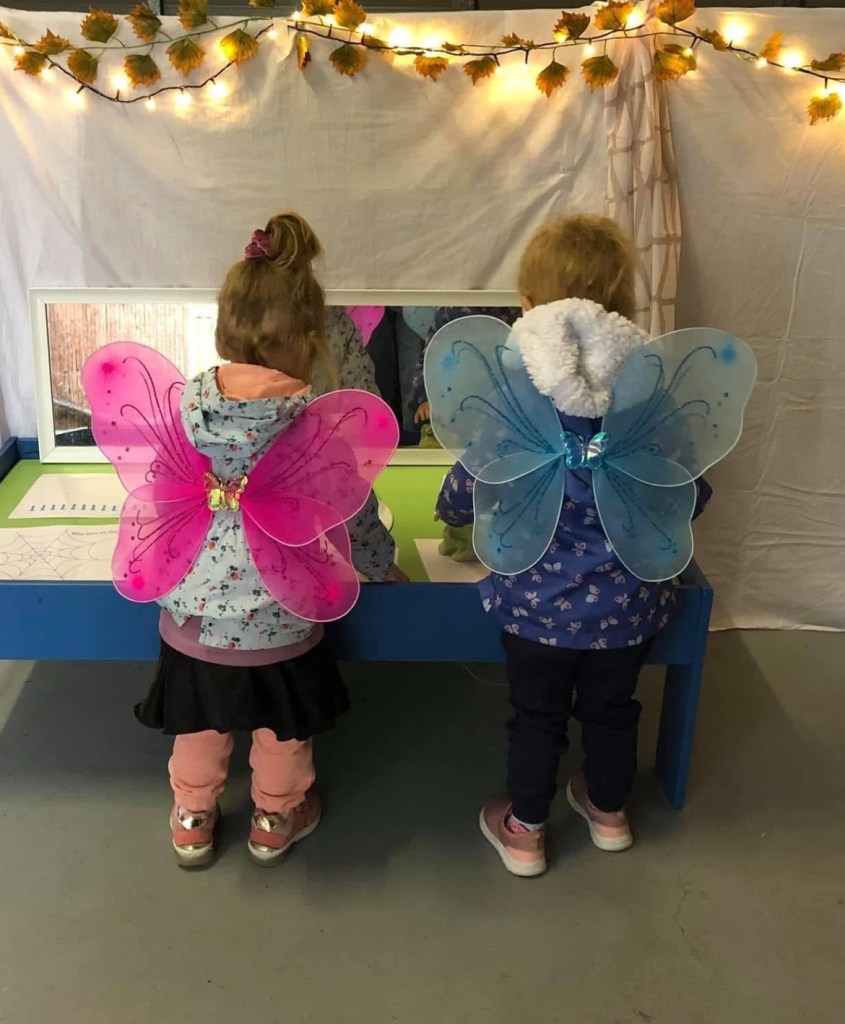
This atmosphere of emotional safety is so important for brain development, regulation, relationships, and risk-taking. With its focus on warmth and togetherness, the concept of hygge mirrors what attachment theory tells us children need the most… a safe and secure base. When children are wrapped in a sense of belonging, they feel free to venture out and explore, knowing that there is comfort and connection to return to. In these cosy, trusting spaces, relationships flourish, curiosity unfolds, and learning becomes a joyful act of discovery held in the safety of community. It’s in this ebb and flow of leaving and returning that children come to know they are safe, loved, and that they belong.
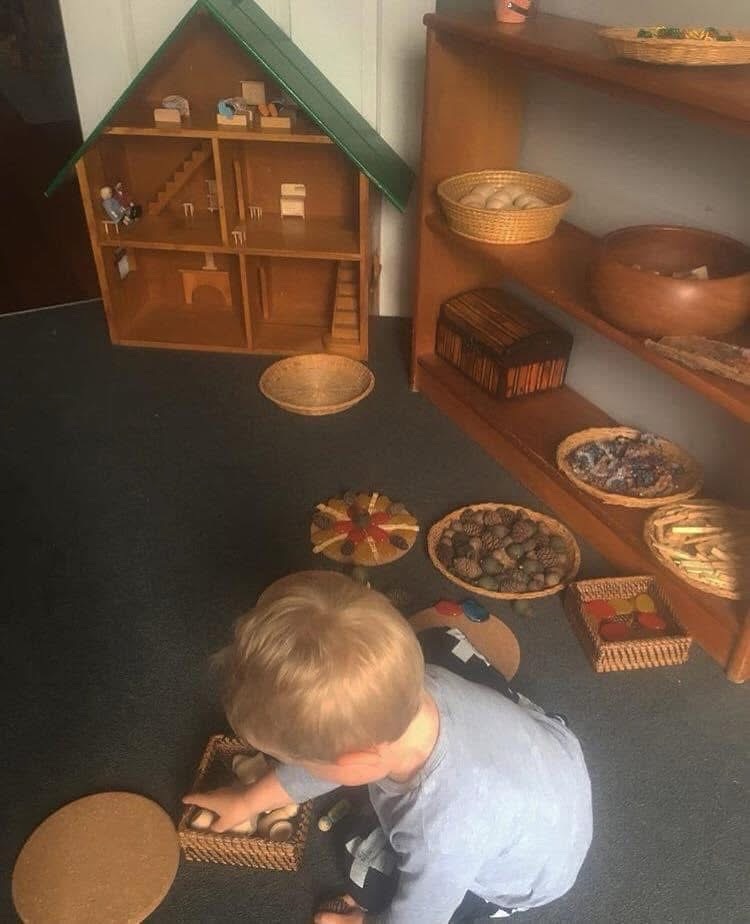
Warm lighting, natural textures, soft seating, and familiar smells help soothe young nervous systems, creating a calm backdrop where relationships can take root. Yet true hygge-inspired environments live within our tone of voice, the warmth we bring and consistent routines, rituals expectations and boundaries. As educators, I invite you to pause and wonder: What shifts might allow your environments to whisper safety and belonging to every child? Perhaps it is a cosy corner that welcomes rest, a daily ritual that gathers everyone in togetherness, or the gentle pause throughout the day so children feel the deep comfort of being held in community. Hygge reminds us that safety and belonging are not extras in education, they are the very foundation, helping to shape the way children learn, relate, and see themselves within the world.
 The Humble Educator
Leave a comment